How to Avoid Creating Waste Through Upcycling and Recycling
- Brian Turner
Every year, Americans generate over 290 million tons of municipal solid waste, according to the U.S. Environmental Protection Agency (EPA). Much of this waste ends up in landfills, contributing to pollution, greenhouse gas emissions, and the depletion of natural resources.
The good news is that reducing waste doesn’t require drastic lifestyle changes. By embracing upcycling, recycling, and responsible disposal practices, homeowners and businesses can significantly decrease their environmental impact while saving money and creating cleaner, more organized spaces.
In this guide, you’ll learn practical ways to avoid creating waste through upcycling and recycling, along with expert tips for handling unwanted items responsibly.
Why Reducing Waste Matters
Waste reduction goes beyond simply keeping your home clean. Every item diverted from a landfill helps:
- Reduce greenhouse gas emissions
- Preserve natural resources
- Save energy used in manufacturing
- Protect wildlife and ecosystems
- Extend landfill lifespan
- Support a more sustainable economy
By making small changes in how we manage unwanted materials, we can collectively make a substantial difference for future generations.
What Is Upcycling?
Upcycling is the process of creatively transforming old, unwanted, or discarded items into something useful, functional, or even more valuable than the original product.
Unlike recycling, which often breaks materials down into raw components, upcycling preserves the material while giving it a new purpose.
Popular Upcycling Ideas
Transform Old Furniture
Instead of throwing away worn furniture, consider:
- Refinishing wooden tables
- Repainting cabinets
- Converting dressers into bathroom vanities
- Turning bookshelves into storage benches
Repurpose Glass Containers
Glass jars and bottles can become:
- Food storage containers
- Decorative lighting fixtures
- Plant holders
- Bathroom organizers
Reuse Old Clothing
Worn-out clothing can be transformed into:
- Reusable shopping bags
- Cleaning rags
- Quilts and blankets
- Pet bedding
Reclaim Wood Materials
Old pallets, fencing, and lumber can be repurposed into:
- Outdoor furniture
- Garden planters
- Accent walls
- Shelving units
Benefits of Upcycling
Upcycling offers several advantages:
- Reduces landfill waste
- Conserves raw materials
- Saves money on new purchases
- Encourages creativity
- Creates unique, personalized items
- Supports sustainable living
Many homeowners are surprised by how many everyday items can be given a second life rather than ending up in the trash.
What Is Recycling?
Recycling is the process of collecting, sorting, and processing materials so they can be used to manufacture new products.
Common recyclable materials include:
- Paper
- Cardboard
- Aluminum cans
- Steel products
- Glass containers
- Certain plastics
- Electronic components
When done correctly, recycling reduces the need for virgin materials and lowers the environmental impact of production.
The Environmental Impact of Recycling
Recycling has measurable environmental benefits.
For example:
- Recycling aluminum saves up to 95% of the energy required to produce new aluminum from raw ore.
- Recycling paper reduces the need for tree harvesting and lowers water consumption.
- Recycling steel conserves iron ore and significantly reduces manufacturing emissions.
These savings add up quickly when communities participate consistently.
How to Recycle Properly
Many recyclable materials end up in landfills because of contamination or improper sorting.
Follow these best practices:
1. Know Local Recycling Guidelines
Not all recycling programs accept the same materials. Check your local recycling requirements before placing items in your bin.
2. Clean Recyclables
Food residue and liquids can contaminate entire recycling loads.
Before recycling:
- Rinse bottles and containers
- Remove food waste
- Empty liquids completely
3. Separate Materials Correctly
Keep paper, cardboard, plastics, and metals sorted according to local guidelines.
4. Avoid Wish-Cycling
Many people place non-recyclable items into recycling bins hoping they can be processed. This often creates additional waste and costs.
When in doubt, verify before recycling.
Upcycling vs. Recycling: Which Is Better?
| Upcycling | Recycling |
| Extends product lifespan | Recovers raw materials |
| Requires little to no processing | Supports manufacturing industries |
| Maintains material integrity | Reduces demand for virgin resources |
Practical Ways to Reduce Waste Every Day
Whether you’re a homeowner, landlord, business owner, or property manager, these habits can dramatically reduce waste generation.
Choose Products with Less Packaging
Look for products that use:
- Recyclable packaging
- Minimal packaging
- Refillable containers
Donate Usable Items
Many items still have value to others.
Consider donating:
- Furniture
- Clothing
- Appliances
- Electronics
- Household goods
Repair Before Replacing
Fixing damaged items often costs less than buying new ones and prevents unnecessary waste.
Buy Quality Products
Durable products typically last longer and reduce replacement frequency.
Reuse Containers
Many household containers can be reused for storage, organization, or crafts.
Educate Family Members
Waste reduction is most effective when everyone participates.
Teaching children and family members about recycling and reuse can create lifelong sustainable habits.
When Upcycling and Recycling Aren't Enough
Sometimes items become too damaged, outdated, or bulky to reuse or recycle independently.
Large items such as:
- Old furniture
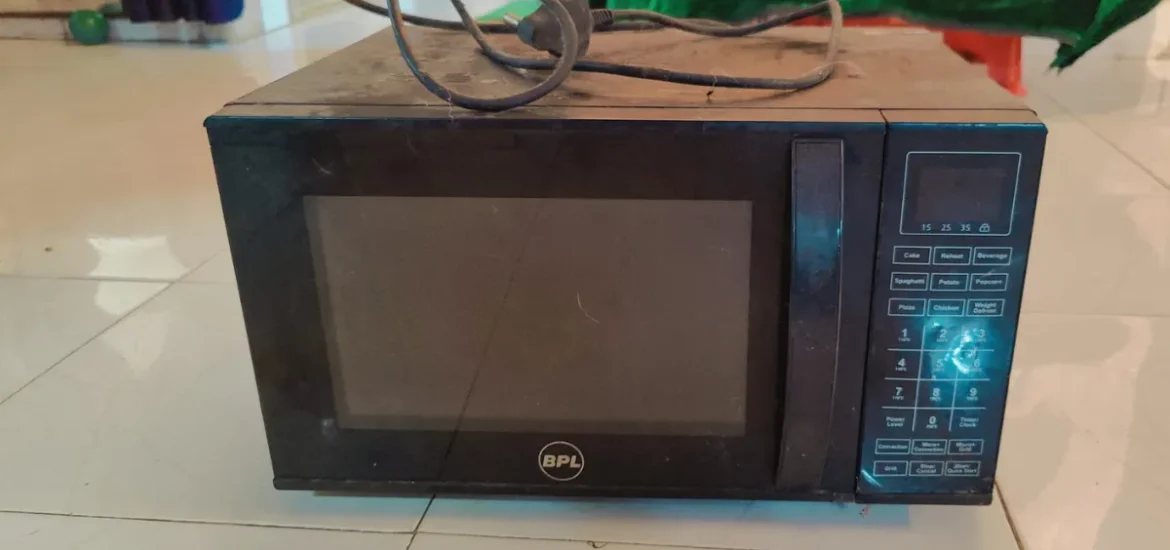
- Appliances
- Construction debris
- Renovation materials
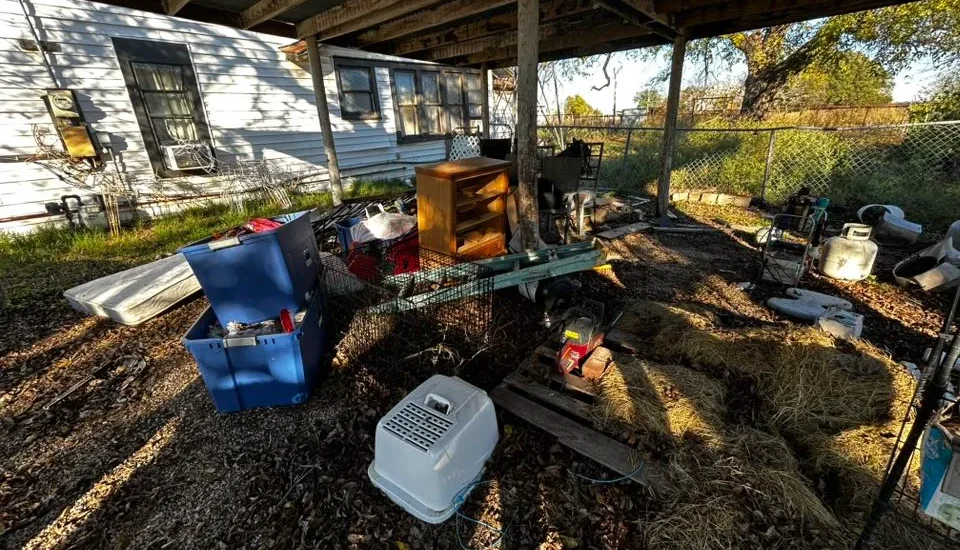
- Household junk
can quickly overwhelm your home or business.
That’s where professional junk removal services become an important part of responsible waste management.
Eco-Friendly Junk Removal in Hampton Roads
When it’s time to clear out unwanted items, B&F Junk Removal helps homeowners and businesses dispose of materials responsibly.
Our team provides fast, affordable, and environmentally conscious junk removal services throughout Hampton Roads.
We remove:
- Furniture
- Appliances
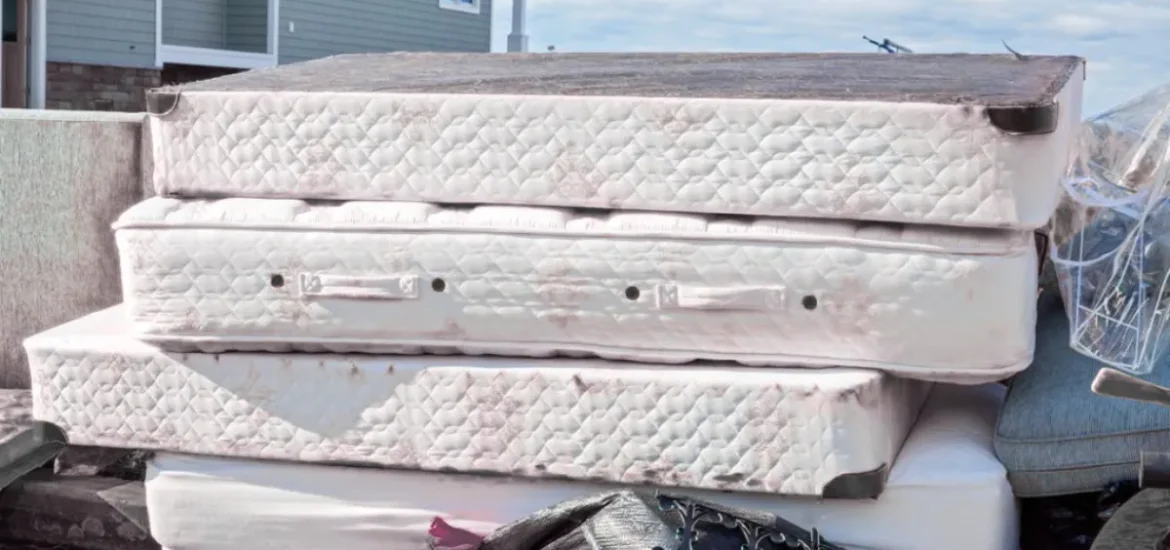
- Mattresses
- Construction debris
- Yard waste
- Household junk
- Commercial junk
Whenever possible, we prioritize:
- Recycling eligible materials
- Donating usable items
- Diverting waste from local landfills
This helps support a circular economy while making cleanup easier for our customers.
Why Choose B&F Junk Removal?
When you work with B&F Junk Removal, you benefit from:
- Fast response times
- Affordable pricing
- Professional crews
- Eco-friendly disposal practices
- Residential and commercial services
- Stress-free junk removal
Whether you’re cleaning out a garage, preparing a property for sale, renovating a home, or managing a commercial cleanout, our team can help.
Final Thoughts
Reducing waste starts with simple choices. Upcycling gives old items new life, recycling conserves valuable resources, and professional junk removal ensures unwanted materials are handled responsibly.
By combining these strategies, you can create a cleaner home, reduce environmental impact, and contribute to a more sustainable future.
If you have unwanted furniture, appliances, construction debris, or household junk taking up valuable space, B&F Junk Removal is ready to help.